

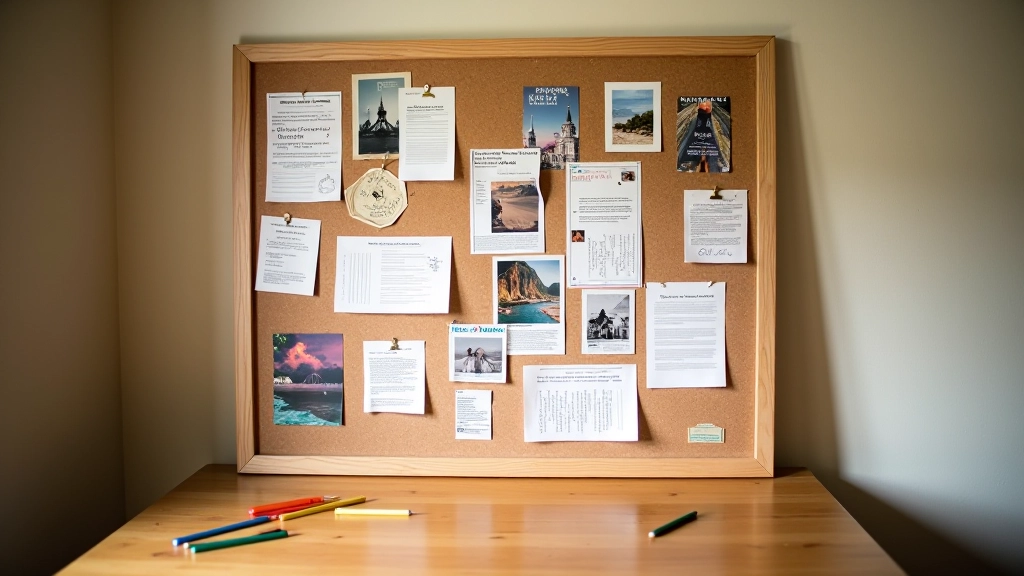
Why a Visual Goal Board Matters
We're all familiar with the feeling: you set goals, feel excited for a week, then life gets busy and suddenly you've forgotten what you were working toward. A visual goal board changes that dynamic entirely. Instead of your aspirations living in a notebook or on your phone, they're right there on your wall — impossible to ignore.
The power isn't mystical. It's psychological. When you see your goals represented visually every single day, your brain starts working toward them automatically. You notice opportunities that align with those images. You make decisions that move you closer. You don't "manifest" anything through pure visualization — but you do orient your choices toward what matters most.
The Core Idea
A visual goal board is a physical or digital collection of images, words, and symbols that represent your goals and values. You see it regularly — ideally daily — and it keeps your direction clear when everything else is pulling your attention.
01
Gather Your Materials and Space
Start practical. You'll need a base — cork board, foam board, poster board, or even a dedicated wall space. The size matters less than the placement. Your board needs to live somewhere you'll see it multiple times a day. Bedside table, bathroom mirror, office wall, kitchen fridge — anywhere you naturally look regularly.
For materials, gather magazines you don't mind cutting up, printed images, markers, colored paper, photos, words from newspapers or articles that resonate with you. Some people include fabric swatches, stickers, or even small 3D objects. You're not creating a masterpiece for an art show — you're creating a personal vision system that speaks to you.
Don't overthink this part. Scissors, glue stick, and whatever images you have access to are enough to start. The imperfection is actually better — it shows authenticity, not Pinterest perfection.
Important Note
This guide is educational and informational. A visual goal board is a tool for clarifying direction and maintaining motivation — it's not a substitute for concrete action, professional guidance, or planning with qualified advisors. Your goals should align with your actual values and circumstances. If you're working toward major life changes, consider consulting with a coach, mentor, or relevant professional who understands your complete situation.

02
Select Images That Actually Represent Your Goals
This is where most people go wrong. They grab pretty images without thinking about what they actually mean. You'll end up with a beautiful board that doesn't motivate you because the images don't connect to your real aspirations.
Instead, be specific. If your goal is "better health," don't just paste any fitness photo. Does that mean running marathons? Daily yoga? Learning to cook nutritious meals? Each of those looks different visually. Pick images that show the specific version of your goal that excites you.
The same applies to career, relationships, or personal growth goals. If you want to develop more confidence, what does that look like for you? Is it speaking up in meetings? Traveling solo? Starting a business? Find images that reflect your specific vision, not a generic version.

03
Organize With Intention (But Keep It Flexible)
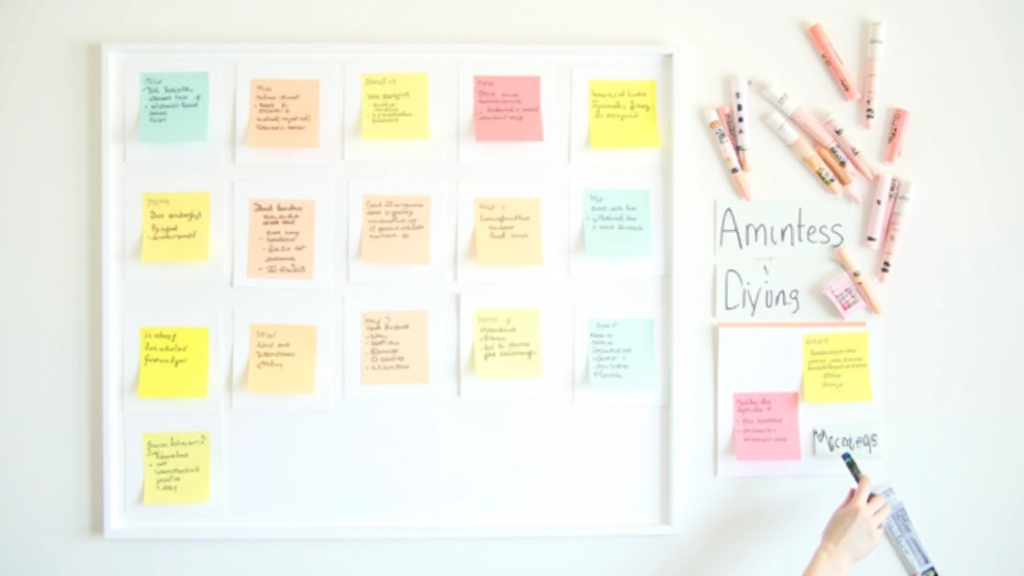
Some people organize their boards by life area — health, career, relationships, personal growth in different sections. Others use a color scheme or timeline. Some create a central focal image with supporting visuals around it. There's no "correct" way.
What matters is that the layout makes sense to you. If you're a visual thinker, clear organization helps. If you prefer intuitive flow, go with your gut. You're not locked into the first arrangement — most people adjust their boards as goals shift or as they want a fresh visual.
One practical tip: leave some space. Don't fill every inch on day one. You might want to add things as new goals emerge, or rearrange when you review progress quarterly. A board that evolves with you feels more alive than one that's static.

04
Use It Daily — That's the Whole Point
A board hidden in a closet won't change anything. You need to see it. Ideally every single day. When you wake up, before bed, during your coffee break, whenever you pass it — let those images sink in.
Some people spend 30 seconds each morning visualizing themselves living those goals. Others just glance at it while brushing their teeth. The exact practice doesn't matter — consistency does. Over time, your brain internalizes those images. They become reference points for decision-making.
You might notice you're drawn to articles about topics on your board. You'll remember your goals when making choices. You'll feel more motivated because you're constantly reminded of your direction. This isn't magic — it's how attention and intention actually work together.

Your Board Is Your Daily Anchor
Creating a visual goal board isn't complicated. Gather materials, choose images that genuinely represent your goals, arrange them in a way that makes sense to you, and then put it somewhere you'll see it constantly. That's it.
The real work isn't the board itself — it's keeping those goals alive in your mind while you take action toward them. But having a physical reminder right there on your wall? That makes the mental work so much easier. You're not relying on willpower or memory. You're using something more powerful: daily visual reinforcement of what actually matters to you.